
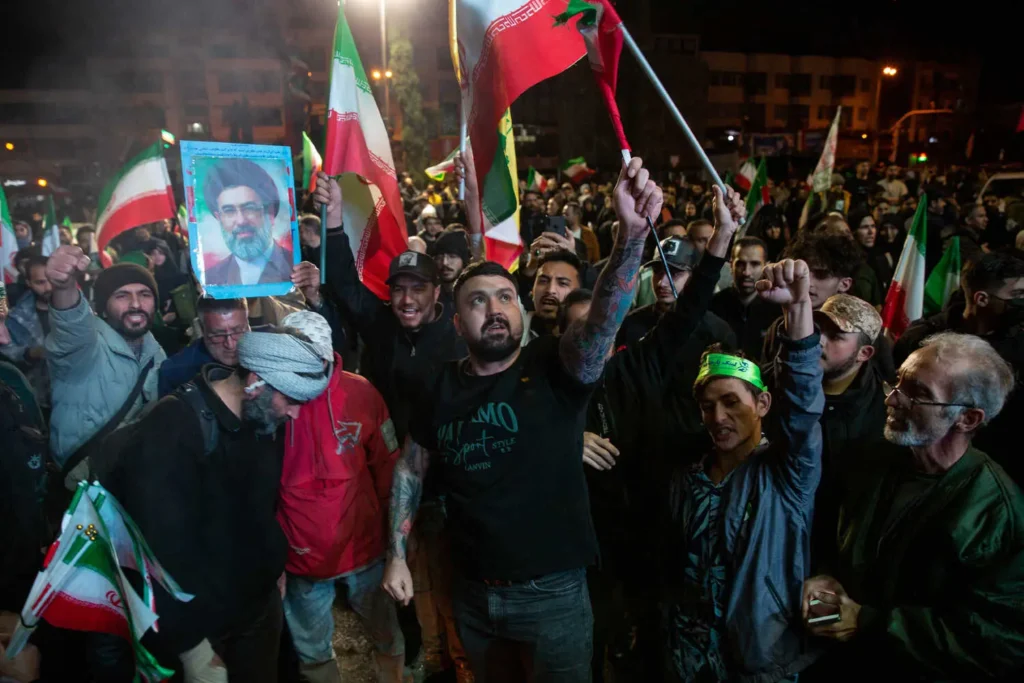
The United States and Iran reached an 11th-hour cease-fire deal on Tuesday evening, hours after President Trump threatened to start wiping out Iran’s “whole civilization” if it did not allow commercial shipping to pass safely through the Strait of Hormuz.
Mr. Trump announced the agreement in a post on social media hours after Pakistan, a mediator in the dispute, urged him to stand down from the 8 p.m. Eastern time deadline he had set for Iran to accede to his demands. Pakistan proposed that each side observe a two-week cease-fire, and that during that time Iran allow oil, gas and other vessels to proceed unmolested through the economically vital waterway.
Shortly after the cease-fire announcement, a U.S. official said American military strikes against Iran had stopped. Iran’s foreign minister, Abbas Araghchi, said in a statement that the Iranians would “cease their defensive operation,” and that “for a period of two weeks, safe passage through the Strait of Hormuz will be possible” if coordinated with Iran’s military.
Israel has also agreed to the cease-fire and will suspend its strikes on Iran for two weeks, a White House official said.
The cease-fire buys both sides time to try to reach a longer-term end to the war, which began at the end of February with the United States and Israel subjecting Iran to a withering military assault.
Iran accepted Pakistan’s cease-fire proposal after frantic diplomatic efforts by Pakistan and last-minute intervention by China, a key ally, according to three Iranian officials. Iran’s national security council officially confirmed the agreement, casting it as a victory in which the United States accepted Iran’s terms.
The cease-fire announcement sent Brent crude, the international benchmark for oil prices, down to $93 a barrel. Asian stocks opened higher on Wednesday morning, with Japan’s Nikkei 225 gaining 4 percent and South Korea’s Kospi up more than 5 percent. Futures on the S&P 500 stock index, which give investors the chance to bet on the market before exchanges open on Wednesday, rose over 2 percent.
Earlier, as the day wore on, it was not clear whether an off-ramp would emerge from the talks. It was not even clear if there were talks.
At one point, with Mr. Trump threatening devastating strikes on power plants, bridges and other critical infrastructure — a possible war crime under international law — Iran stopped engaging in the indirect negotiations.
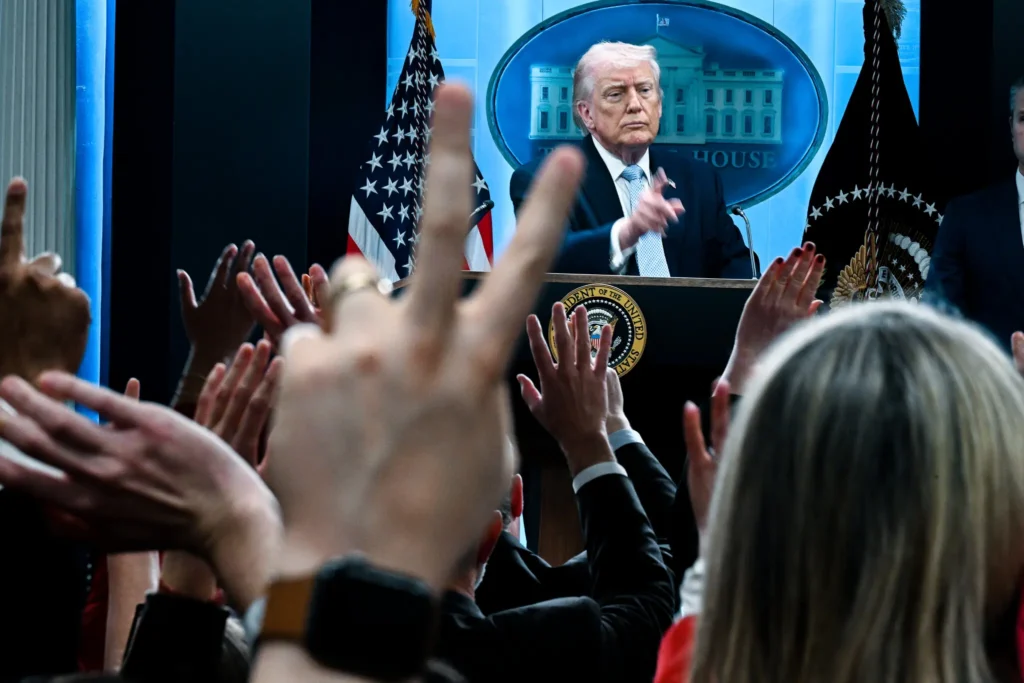
“A whole civilization will die tonight, never to be brought back again,” Mr. Trump warned earlier in the day, though he said he hoped “maybe something revolutionarily wonderful can happen.”
In the hours before the 8 p.m. deadline, the United States and Israel stepped up their attacks on Iran. All the while, the Pakistanis were reported to be redoubling their efforts to get a cease-fire.
The new deal also extends to the hostilities that began in Lebanon between Israel and the Iranian ally Hezbollah after the start of the war against Iran began, the Pakistani prime minister said Tuesday night. The cease-fire, Prime Minister Shehbaz Sharif said in a social media post, applies everywhere, “including Lebanon and elsewhere.”
Even so, countries around the Persian Gulf — including Kuwait, the United Arab Emirates, Qatar and Israel — reported missile and drone strikes in the immediate hours after the deal. It was not clear whether they had been launched in violation of the cease-fire or whether it might be taking time for new orders to filter down to Iranian forces.
Here’s what else we’re covering:
Railways struck: The Israeli military said it had launched airstrikes on eight bridges across Iran, and warned Iranians not to ride railroads until 9 p.m. local time. Iranian state media reported that at least three people were killed when a railway bridge was hit in the central city of Kashan.
Condemnation of Trump’s threat: Some commentators on the right are splitting from Mr. Trump, while some Republican lawmakers have expressed concern that the threat could cause the president to lose public support. Democrats forcefully condemned Mr. Trump, with a growing number calling for him to be removed from office.
Death tolls: The Human Rights Activists News Agency said at least 1,665 civilians, including 244 children, had been killed in Iran as of Monday. Lebanon’s health ministry on Monday said more than 1,500 people had been killed in the latest fighting between Israel and Hezbollah. In attacks blamed on Iran, at least 32 people have been killed in Gulf nations. In Israel, at least 20 people had been killed as of Monday. The American death toll stands at 13 service members, with hundreds of others wounded.
Israel supports President Trump’s decision to stop attacking Iran for two weeks subject to the immediate reopening of the Strait of Hormuz and the cessation of Iran attacks against the United States, Israel and other countries in the region, the office of Prime Minister Benjamin Netanyahu said in a statement.
But the statement said the cease-fire did not include Lebanon, contradicting an earlier statement from Prime Minister Shehbaz Sharif of Pakistan.
- Credits: The New York Times
- Authors: Tyler Pager, Farnaz Fassihi, David E. Sanger and Eric Nagourney
- Photos: Arash Khamooshi and Kenny Holston