

Q: I’ve heard a lot of different things about how long running shoes should last. How do I know when it’s time for a new pair?
Once you find the right pair of running shoes, it can be hard to part with them. It’s a frequently cited rule of thumb that you should replace your running shoes after you’ve run about 300 to 500 miles in them. But buying a new pair that often can add up quickly for consistent runners. And researchers still don’t fully understand how running in worn-out shoes may contribute to injuries, in part because some lab-based tests don’t do a great job of replicating how shoes perform on your foot in everyday life.
Research doesn’t point to a single number of miles that leads to injury for everyone, said Allison Gruber, an associate professor of kinesiology at Indiana University-Bloomington. But, she added, most experts in running biomechanics would agree “that there is a point where you need to change your shoes, and you want to do that before you’re uncomfortable.”
We asked experts about what determines how quickly your running shoes wear out, and how to know when it’s time to replace them.
What causes wear and tear
Many factors can change how your shoes wear, including how old they are, your body weight, the surfaces you run on and even the humidity and temperature of your running environment, said Dr. Adam Tenforde, a sports medicine physician and the director of running medicine for the Spaulding National Running Center. Using your running shoes for trips to the gym or for errands will also wear them out more quickly.
Some shoes degrade more quickly than others. Modern “super shoes,” designed for racing, contain a thick layer of lightweight foam that is good for performance but typically breaks down more quickly than the foams in a regular training shoe, said JJ Hannigan, a biomechanics researcher and assistant professor at Oregon State University-Cascades.
What happens if you run in worn-out shoes
Even if you find your old shoes comfortable, there can still be advantages to retiring them. Some research suggests that wear decreases cushioning in shoes and puts more pressure on your feet, which some scientists think could increase your risk of injury.
One study analyzed how participants ran in shoes when they were new and after 200 miles and found small changes in how the runners moved during the later test. While experts don’t know whether those changes are enough to directly cause significant injury, Dr. Gruber said, they could make running less comfortable and cause you to adjust your stride in a way that might lead to injury down the line.
Signs you should replace your shoes
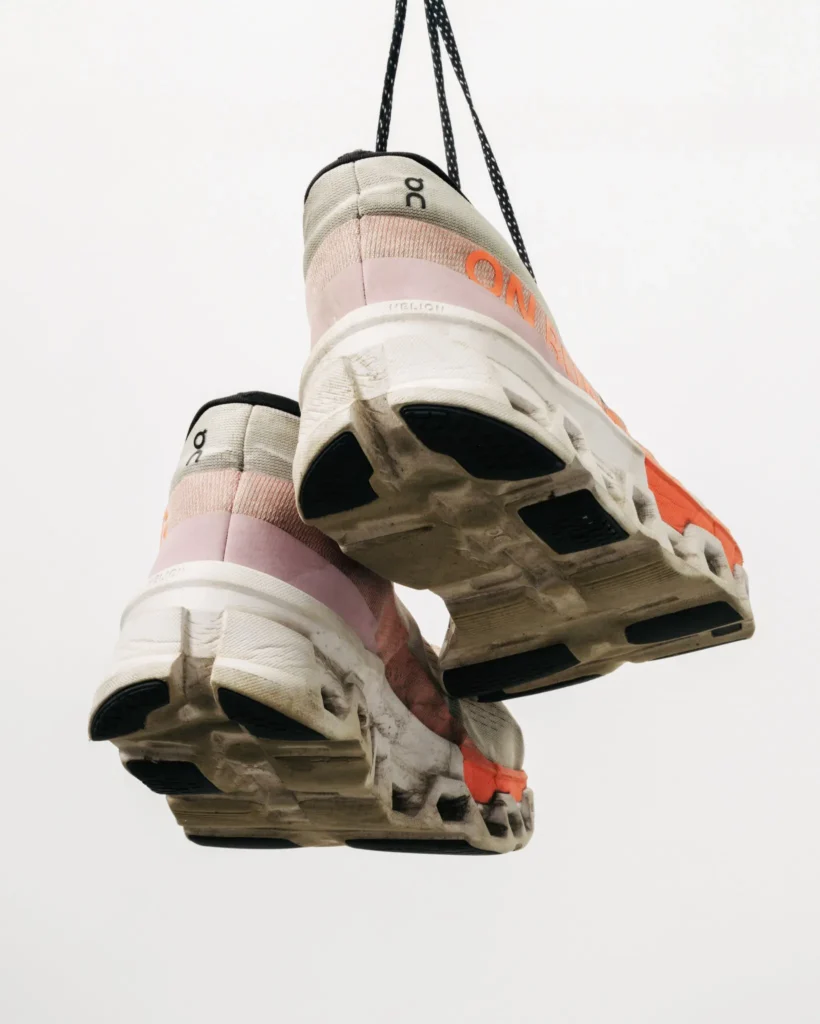
Visible wear and tear can be an obvious indication that you need a new pair of shoes. You might notice that the foam layer between the upper and the bottom parts of the shoe appears more wrinkled and compressed. You may also see wear on the areas of the shoe that provide traction, particularly in footwear designed for trail running, Dr. Hannigan said. Depending on whether your feet roll inward or outward when you run, the bottom of your shoes can break down asymmetrically. And if you have wide feet, your toes might start to poke through the upper part of your shoe.
Many experienced runners also say they can feel when their shoes need replacing. Brendan Martin, a runner, coach and physical therapist in New York City, said he notices when his shoes start to feel a little “dead” or less bouncy and comfortable.
The standard advice to replace shoes every 300 to 500 miles can be a good general guideline, Dr. Tenforde said. (Some running apps, like Strava or Nike Run Club, can help you keep track.) But if your shoes still feel cushioned, you don’t notice visible wear and you aren’t experiencing any pain, you can most likely use them a little longer. But remember your perception can be imperfect, Dr. Hannigan said.
To help combat that, you can try on a fresh pair of the same shoes and see how different they feel, or compare your shoes with photos of when they were new. If you’re still not sure, Dr. Martin said, a physical therapist or the staff at a running specialty store can help you detect subtle changes that develop in your shoes over time, which can sneak up on you.
“It’s like your hair,” he said. “You see it in the mirror every day, so you don’t realize that it’s gotten kind of long and straggly until someone else points out that you need a haircut.”
- Credits: The New York Times
- Author: Allessandra DiCorato
- Photo: Eric Helgas