
This morning, Canada announced retaliatory tariffs as high as 50 percent on hundreds of American products. The biggest blow: doubled duties on steel and aluminum. But the catalog of affected goods is huge and includes railway locomotives, smartphones, dishwashers and a variety of fishes, frozen and fresh.
Over the weekend, trade talks between the two countries collapsed and President Trump, claiming Canada had mistreated the U.S., imposed a 50 percent tariff on some imports. To do so, he invoked a little-known authority from a 1930 law that some trade lawyers call obsolete. The legal fuzziness means the Trump administration may soon have to defend itself again in court.
The current saga began last month, after the Canadians reached out to negotiate with the Trump administration.
How the U.S.-Canada talks collapsed
The clock ticked toward midnight on Friday. New U.S. tariffs on Canada were about to come into effect and negotiators cooped up across the street from the White House were still plodding through the differences on each side. Aides shuffled in and out with new drafts, adjusting and readjusting.
U.S. officials said they had offered Canada the best trade deal of any nation. Canadians believed it was a bad one. In the waning hours, both sides dug in even more.
One Canadian negotiator said it was as if “shadow figures were suddenly in the room,” raising topics that had supposedly been settled in previous days.
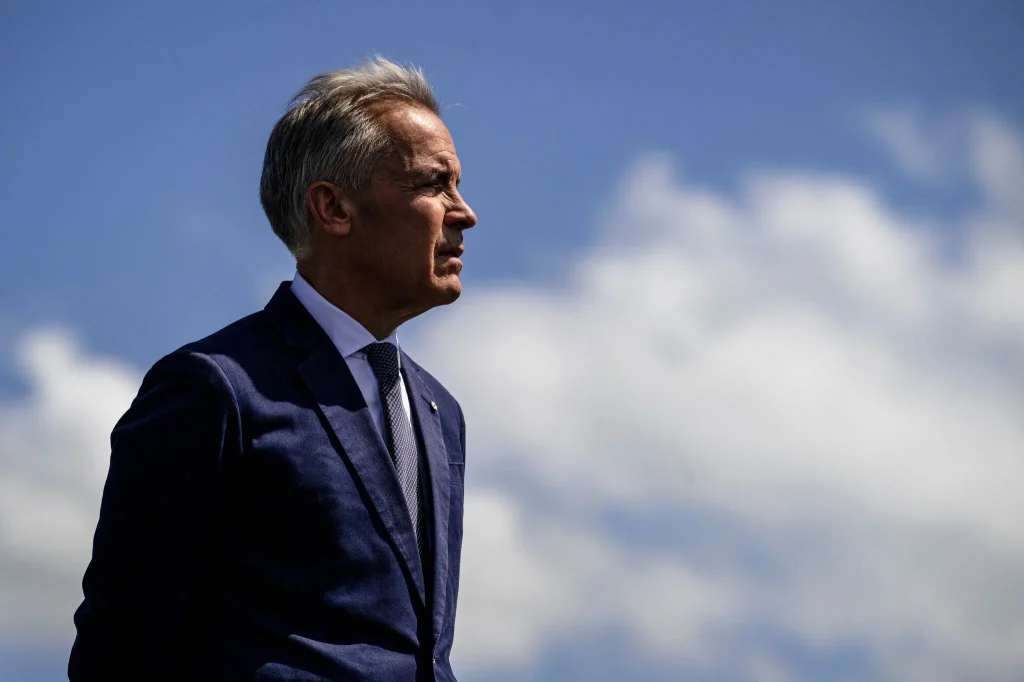
Back in Ottawa, Prime Minister Mark Carney got off the phone with Doug Ford, the premier of Ontario. Mr. Ford had told him plainly: Don’t take the deal.
Mr. Ford told Mr. Carney he would not comply with a key U.S. demand: restoring the sale of U.S. alcohol that he, alongside most other provincial leaders, had banned. American tariffs on Canadian steel and automobiles were still too high to enable their long-term survival, Mr. Ford had decided.
Mr. Carney called his team in Washington for the latest news from the negotiations. Then, just after 10:30 p.m., he pulled the plug and ordered them home.
A month of intense talks to stave off new U.S. tariffs on Canada and soften the ones previously imposed by the Trump administration had been yielding steady progress. But they collapsed suddenly, setting in motion an all-out trade war between the two nations.
The sticking points were many. In the last few hours, negotiators clashed over Canadian rules promoting French-language movies and shows online, as well as the Trump administration’s demands to dictate Canada’s steel tariffs on other countries. Canada, in turn, insisted on more generous treatment for its autos, electric vehicles and products made with metal — and ultimately backed away from its offer to cooperate on the Keystone XL pipeline that President Trump has long desired, people familiar with the negotiations said.
On Monday, after the negotiations collapsed, Mr. Trump vowed to increase tariffs on all cars, trucks, car parts and steel from Canada to 50 percent, starting on Jan. 1. He called Canadian officials “clowns” from “among the worst Nations in the World to deal with.”
“WE DON’T NEED CANADA, THEY NEED US!” he wrote.
Mr. Carney fired back: “The attitude, at the negotiation table, that Canada is a subsidiary of the United States,” he said, “that’s not something we’re going to accept.”
On Tuesday, Mr. Carney announced Canada’s retaliation tariffs against the United States.
What led to the breakdown is a story of fundamental misalignment between the countries — ideological, economic and political. Ultimately, Mr. Carney decided to defy Mr. Trump and endure his economic and political targeting of Canada.
This account, which contains previously unreported details of the final days and hours of the trade negotiations, is based on interviews with five American and Canadian officials with direct knowledge of the talks, two former U.S. officials, as well as seven senior industry leaders on both sides of the border who were briefed throughout.
The interviews show that the red lines for the two sides were so far apart that it would have required major concessions, particularly by Canada, to come to a final agreement.
- Credits: The New Yook Times
- Author: Evan Gorelick
- Photo: Andrej Ivanov/Agence France-Presse