
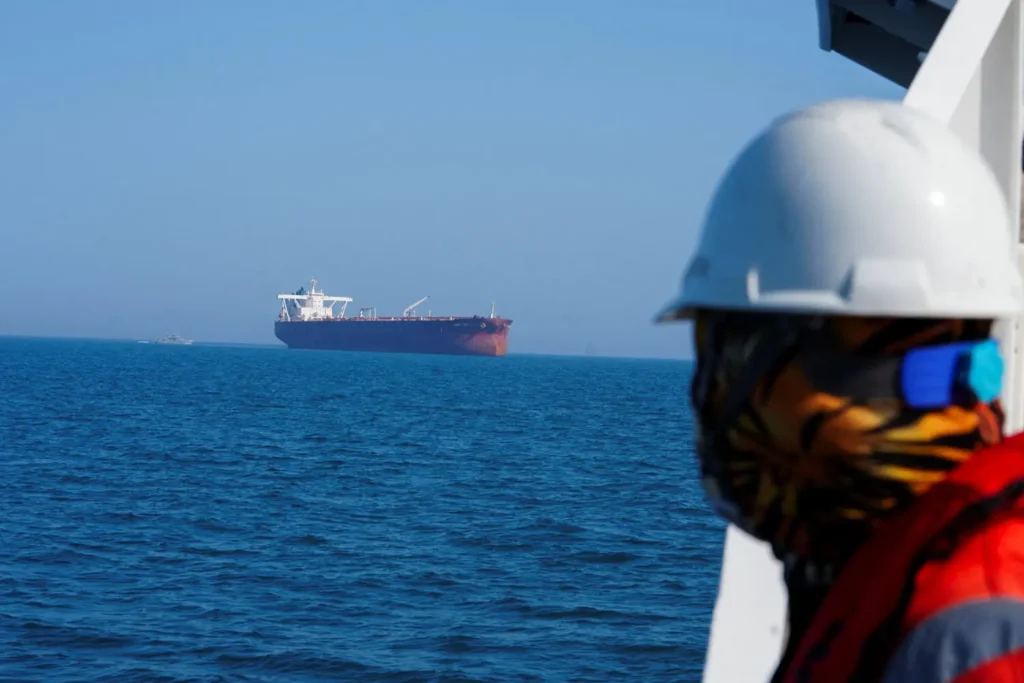
The apparent opening of the Strait of Hormuz to ship traffic brought immediate relief to a world starved of fuel, sending international oil prices tumbling 9 percent on Friday, to about $90 a barrel.
Oil last traded at that level more than a month ago, in the first weeks after the United States and Israel began attacking Iran. The reprieve, announced on X by Iran’s foreign minister, should give tankers at least a brief window to bring oil and other fuels from the Persian Gulf to other countries. That, in turn, would bring down prices for consumers in the coming weeks and blunt shortages that have developed in many places.
But reopening the strait, a narrow passageway on Iran’s southern coast, is not a panacea.
“If the strait does remain open, we’ll see the oil that already has been produced and is being stored, that can flow,” said Spencer Dale, who until recently served as the chief economist of the London-based oil company BP. But, he added, producers that have been forced to turn off their oil and gas wells will be reluctant to turn them back on “until people have confidence that you have a lasting agreement.”
That is far from certain. Iran’s foreign minister said on social media that the Strait of Hormuz was “completely open for the remaining period of cease-fire” after a détente between Israel and Lebanon. But it was not immediately clear whether he meant that the strait would stay open for the duration of the U.S.-Iran cease-fire, which ends on Tuesday, or the Israel-Lebanon cease-fire, which is set to end later.
Also complicating matters is President Trump’s statement that the United States would maintain its blockade on ships that have visited Iranian ports. That blockade has effectively stopped exports of Iranian energy in recent days.
Prices at the pump have already been falling in the United States and most likely will keep dropping if ships start going through the strait and hostilities do not restart. But that does not mean that fuel prices are likely to return to prewar levels anytime soon.
- Credits: The New York Times
- Author: Rebecca F. Elliott
- Photo: Mohammed Aty/Reuters