
The flu came early this year. Britain, Australia and Japan have already seen spikes. The United States appears not far behind.
New York City and its suburbs recently recorded some of the highest levels of flulike illness in the United States, my colleagues report. (A private school in Brooklyn closed for two days earlier this month after roughly a third of students became ill.)
The numbers aren’t great in Louisiana or Colorado either. The Centers for Disease Control and Prevention’s tracker shows spikes in Denver and in New Orleans and Lafayette, La.
The dominant strain of the flu virus circulating this season is H3N2 subclade K, reports Dani Blum, who covers health. H3N2 is a common strain. But the new variant — that subclade — is a doozy. It may enable the virus to spread more widely.
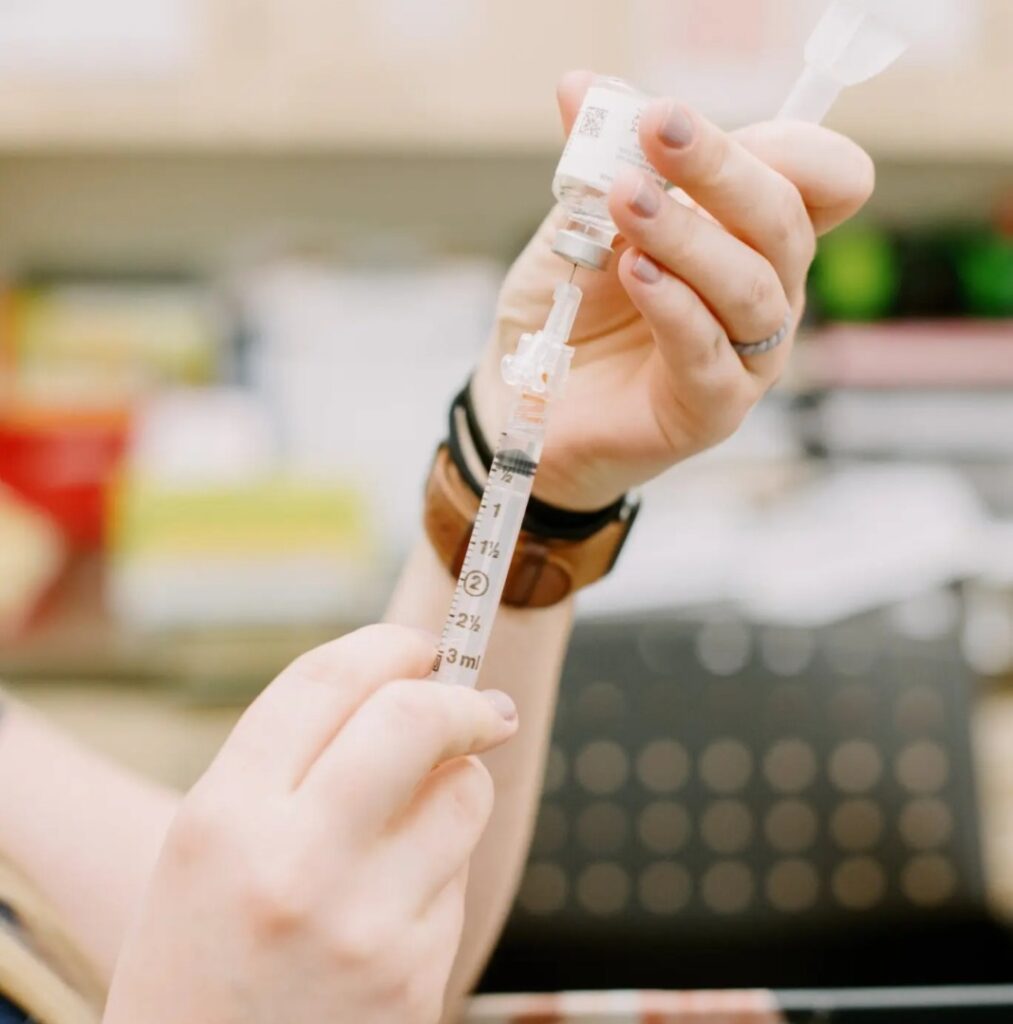
The flu shot may not stop you from getting subclade K, but it helps guard against becoming seriously sick. Here’s mom again: Get that jab.
How bad is it this year?
In Britain, where I’ve been for the last week, the flu season started so early and has accelerated so quickly that the tabloids here are calling it the “super flu.” (I’ve been working by open windows and dropping vitamin C tablets into my water — which does basically nothing, but makes me feel proactive.)
It’s too soon to know if the same will happen in the United States, an expert told Dani. But there are a lot of infections, and we’re still weeks from when doctors generally see high-water marks for the illness. In 2024, New York City didn’t have 10,000 laboratory-reported cases of flu until late December. This year, the city crossed that threshold three weeks ago.
“It’s earlier and faster this year, and the trajectory is much quicker than usual,” the chief of public health and epidemiology at Northwell Health said.
Symptoms and treatment
Vaccines remain the best way to protect yourself from the flu, perhaps during the holiday season especially. You’ll come into contact with more people than usual on the plane, at the train station or if you’re singing carols in a hall. Who knows who’s carrying?
Experts say the best time to get vaccinated is in early fall. Still: “I tell patients that it is generally never too late to get it,” an infectious disease specialist told my colleague Maggie Astor, a health reporter. “Some protection is better than none.”
And there are additional ways to avoid risks. Dani knows them well:
Frequently washing hands, wearing a mask in crowds and improving ventilation as much as possible — by opening windows, if it’s not too cold, or running air purifiers — can minimize the risk of catching the flu. So can disinfecting hard surfaces like phones, doorknobs and countertops, where the flu virus can linger for over a day.
Based on the symptoms, it’s hard to distinguish the flu from other respiratory illnesses. But the flu often comes on quickly, the way a truck might hit you in a crosswalk. There are now at-home tests that detect both Covid and the flu. Those are helpful because you can treat the flu virus with an antiviral medication like Tamiflu. (Would that we had something similar for the common cold.)
Stay safe, everyone. Now, let’s see what else is happening in the world.
Credit: The New York Times
Author: Sam Sifton